
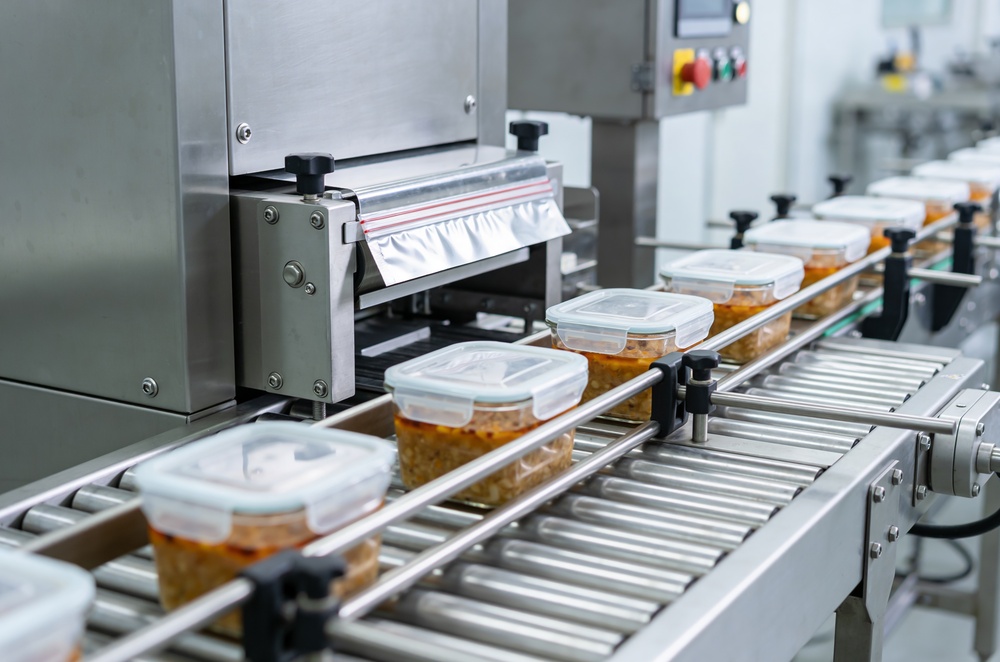
Choosing a reliable ready meal manufacturer for the HORECA sector is not the same as choosing a manufacturer of ready meals for supermarkets. The formats, volumes and timescales differ and, above all, so do the customer’s expectations of the manufacturer.
At Artic Food, we work exclusively with restaurants, hotels, catering companies and institutional clients, and we know that reliability is measured by day-to-day relationships, not just by the product itself. In this article, we look at what a manufacturer must offer to become a true partner for your kitchen.
What makes a ready-meal manufacturer reliable for the HORECA sector
Many ready-meal manufacturers were originally set up for supermarket shelves. Their product may be perfectly adequate, but it is designed for a consumer who eats at home, not for a restaurant serving two hundred covers.
Formats designed for service, not for the shelf
A HORECA-focused manufacturer works with professional formats: individual portions for à la carte service, multi-portion trays for buffets or catering, and packaging that can be reheated in the standard equipment found in a professional kitchen. The packaging design is tailored to kitchen operations, not marketing.
Check whether their range of products includes different formats for the same recipe. This is a clear sign that they understand how a restaurant operates.
A shelf life tailored to the pace of a restaurant
The retail sector seeks very long shelf lives to withstand in-store turnover. In the hospitality sector, what matters is a shelf life that allows for weekly order planning without compromising texture or flavour. A good ready-meal manufacturer strikes a balance between preservation and culinary quality, and clearly explains how to store each product.
A ready-meal manufacturer’s adaptability
No two restaurants are the same. A reliable manufacturer does not force its client to fit into a rigid model, but rather adapts the terms to the reality of each business.
Minimum orders and delivery frequency
A large hotel and a 40-seat restaurant do not buy in the same way. Before committing, ask about minimum orders, delivery frequency and the flexibility to adjust quantities from one week to the next. Conditions that are too rigid ultimately lead to excess stock or running out of stock in the middle of service.
Recipe development and adaptation
The best manufacturers have a culinary team capable of adapting a recipe to the customer’s needs: reducing salt, removing an allergen, adjusting portion sizes or developing a dish for a specific menu. Consult the Artic Food catalogue as a starting point and then discuss what you’d need to adjust.
A long-term relationship with your ready meal manufacturer
Reliability is proven over time. The first order always arrives in good condition; what sets a partner apart is how they handle the hundredth order and deal with unforeseen circumstances.
Product range continuity
Few things are as damaging to a menu as the sudden disappearance of a dish that’s a hit. A reliable manufacturer ensures the continuity of its product range and, when it has to withdraw or replace an item, gives plenty of notice and suggests equivalent alternatives.
Clear and timely communication
Changes to recipes, prices or raw material suppliers: all of these affect your cost breakdown and your allergen information. That’s why a professional ready meal manufacturer informs you in advance before implementing any changes. That transparency is the foundation of trust.
Find the ready meal manufacturer your kitchen needs at Artic Food
A reliable partner combines professional formats, flexible terms, the ability to adapt recipes and communication that leaves no room for surprises. It’s the difference between buying ready meals and having an ally in the kitchen.
If you’re considering bringing a manufacturer on board, speak to our team and we’ll help you identify the solution that best suits your business.
Frequently asked questions about ready meal manufacturers
What distinguishes a ready meal manufacturer for the HORECA sector from one for the retail sector?
The main difference lies in who the product is designed for. A retail manufacturer focuses on the end consumer: attractive packaging on the shelf, household-sized portions and very long shelf lives to cope with in-store turnover. A manufacturer focused on the HORECA sector focuses on the professional kitchen: individual or multi-portion formats, reheating in combi-ovens or bain-maries, comprehensive technical data sheets and commercial terms tailored to repeat orders. The relationship also differs: in the HORECA sector, the manufacturer must support the client, adapt recipes where necessary and communicate any changes in advance. Choosing a manufacturer designed for retail often results in impractical formats and less flexibility.
How can you tell if a ready-meal manufacturer is reliable before signing a contract?
There are several indicators you can check before signing. Firstly, they should have comprehensive technical data sheets for all their products and provide them without reservation. Secondly, they should have experience with businesses similar to yours, whether restaurants, hotels or catering companies. Thirdly, their minimum order requirements and delivery frequency should fit in with your actual operations. It’s also advisable to request samples of the products you’ll be using most frequently and to reheat them in your own kitchen, using your own equipment and staff. Finally, ask how they handle product recalls and recipe changes: their answer says a lot about their professionalism.
Can a ready-meal manufacturer adapt their dishes to my menu?
It depends on the manufacturer, but those who genuinely work with the hospitality sector usually have a culinary team that allows for a certain degree of adaptation. The most common requests are to adjust portion sizes, reduce salt, remove a specific allergen or modify a side dish to suit the restaurant’s style. In other cases, it involves developing a new recipe based on the chef’s idea. The important thing is to raise this from the outset and to be aware of the minimum order volumes that make such an adaptation viable. In this way, the menu retains its identity whilst the kitchen gains time and consistency during each service.